Identity shapes every decision a person makes. When identity is unclear, choices become unstable. The book Chosen places strong emphasis on understanding who you are before determining where you are going. Knowing you are chosen establishes confidence, direction, and spiritual grounding that external circumstances cannot shake.
Many people spend years searching for validation through approval, achievements, or relationships. When those sources fail, identity collapses. Chosen presents a different foundation. Identity is not earned; it is given. Being chosen means worth is inherent, not conditional. This realization changes how challenges are faced.
The ideology of the book highlights how early experiences influence self-perception. Adoption, separation, or rejection can create internal narratives of inadequacy. Without intervention, these narratives grow louder with time. Chosen confronts this reality by showing how faith rewrites damaging stories into testimonies of purpose.
Understanding chosen identity requires spiritual awareness. It involves recognizing that life is guided by divine intention rather than random circumstance. This belief allows individuals to release guilt, shame, and comparison. When identity is rooted in God, comparison loses its power.
One of the book’s strongest messages is that being different is not a weakness. Society often pressures individuals to blend in, but Chosen celebrates uniqueness. Difference becomes evidence of design rather than defect. This mindset empowers readers to embrace individuality without apology.
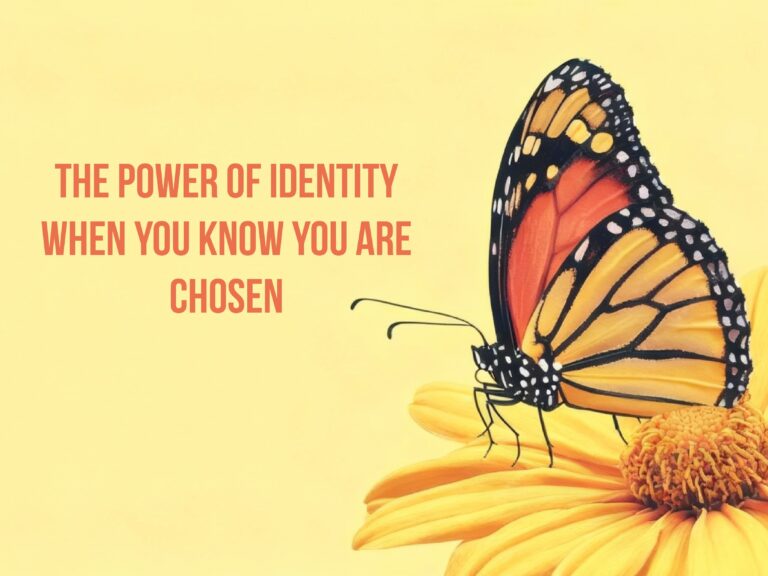
The butterfly imagery reinforces identity development. A butterfly cannot become something else, no matter how much pressure it faces. Its transformation reveals what it was always meant to be. Likewise, chosen identity is revealed through growth, not created by circumstance.
The book also stresses the importance of language. Words spoken over a person can either reinforce or distort identity. Encouragement, affirmation, and truth help strengthen confidence. Negative labels, when accepted, can delay growth. Chosen teaches readers to guard what they accept as truth about themselves.
Faith-centered identity produces stability during change. Whether transitioning into new roles, environments, or responsibilities, knowing you are chosen provides emotional security. The book demonstrates how confidence rooted in purpose allows individuals to step into leadership without fear.
Another important lesson is accountability. Being chosen does not remove responsibility for character. Integrity, humility, and discipline remain essential. Identity without character becomes dangerous. Chosen consistently reinforces the connection between calling and conduct.
When identity is secure, obedience becomes easier. Fear loses authority when purpose is clear. The book encourages readers to trust the process even when outcomes are uncertain. Identity anchored in faith sustains perseverance.
Ultimately, Chosen teaches that identity is the foundation of destiny. Without it, purpose feels overwhelming. With it, challenges become stepping stones. Knowing you are chosen does not mean life will be perfect, but it means life will be purposeful.
The power of identity lies in alignment. When actions reflect belief, growth accelerates. Chosen leaves readers with a profound reminder: you do not discover your worth through success. You walk in success because you already know your worth.